
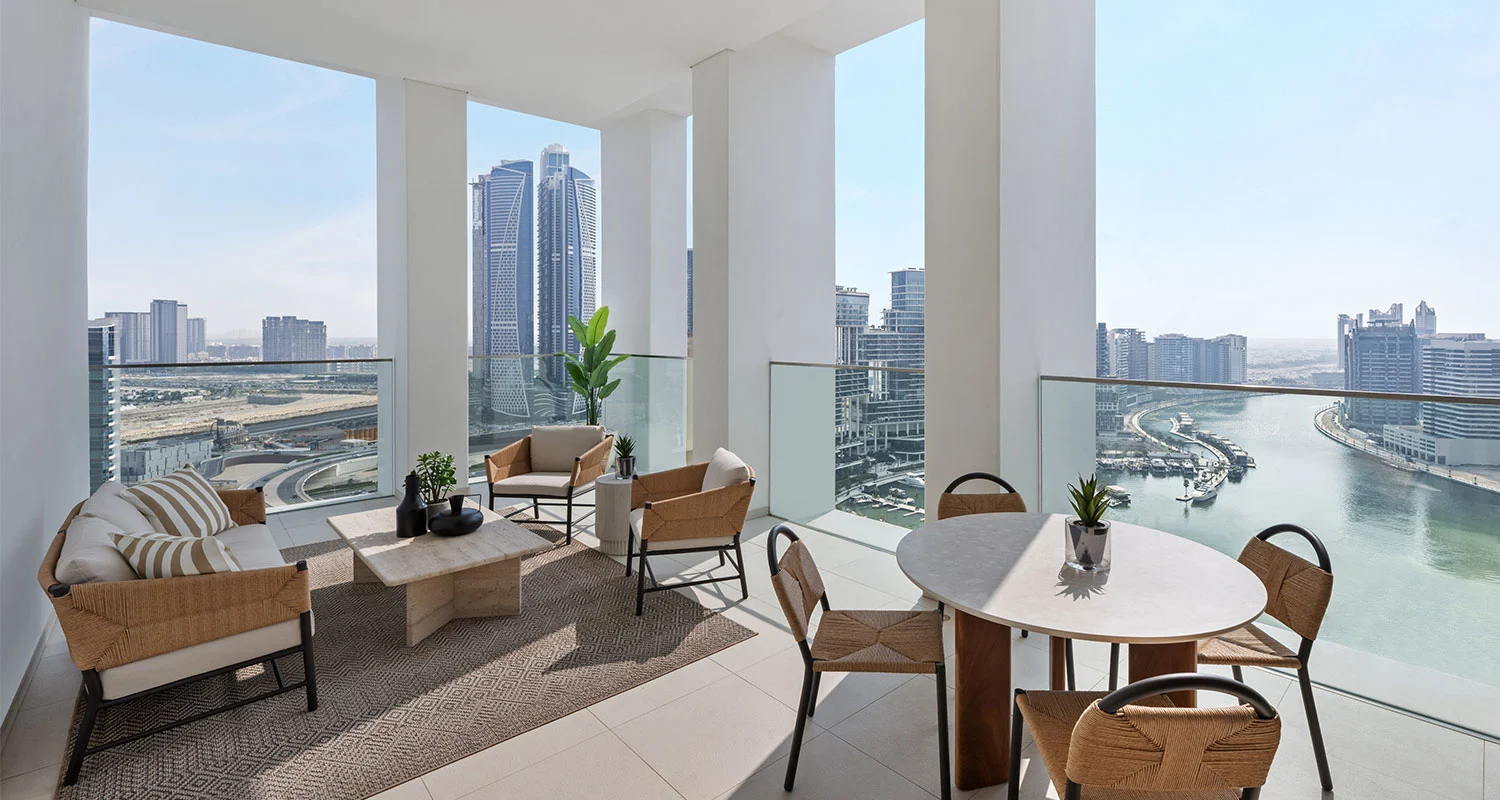
One of the world's most dynamic and rapidly expanding markets is the real estate industry in Dubai. The city provides a variety of investment options, ranging from high-rise apartments in Downtown Dubai to luxurious villas on Palm Jumeirah. However, knowing Dubai's real estate valuation is essential before investing, buying, or selling. In order to ensure informed choices and open transactions, property valuation assists developers, homeowners, and investors in determining the true market value of real estate assets.
The process of figuring out a property's fair market value based on a number of variables, including location, size, condition, and market trends, is known as real estate valuation. Certified real estate valuers authorized by the Dubai Land Department (DLD) conduct valuations in Dubai. These professionals use internationally recognized standards and data-driven methods to assess property value accurately.
Real estate valuation in Dubai serves multiple purposes, from mortgage approvals and property sales to taxation, investment analysis, and insurance. Having an accurate valuation ensures fairness, protects both buyers and sellers, and supports the overall stability of the property market.
Dubai’s property market is dynamic and constantly evolving. Prices can fluctuate based on global economic trends, supply and demand, and government regulations. This makes real estate valuation in Dubai essential for several key reasons:
A professional valuation provides transparency in real estate transactions. Whether you are buying a new apartment or selling a commercial unit, an independent valuation ensures both parties agree on a fair and realistic price.
For investors, accurate valuations are critical in assessing potential returns and risks. Knowing the exact market value helps identify undervalued properties and maximize investment potential in Dubai’s competitive landscape.
Banks and financial institutions in Dubai rely heavily on property valuations when approving home loans or refinancing options. A DLD-approved valuation is often a mandatory step before financing can be granted.
Real estate valuation also plays a role in legal matters such as inheritance, divorce settlements, and taxation. A certified valuation report ensures compliance with Dubai’s legal and regulatory requirements.
The process of real estate valuation in Dubai considers multiple elements, each affecting the final market value:
Location remains the most important factor. Properties in premium areas like Downtown Dubai, Business Bay, and Dubai Marina command higher valuations due to proximity to business hubs, attractions, and lifestyle amenities.
Apartments, villas, townhouses, and commercial spaces are valued differently. Larger units or properties with unique features — such as sea views or private gardens — typically have higher market values.
Newer, well-maintained properties tend to receive better valuations compared to older units that require renovation or upgrades.
If demand exceeds supply in a particular area, valuations rise accordingly. Conversely, when new developments flood the market, prices may stabilize or dip temporarily.
Access to schools, transportation, shopping malls, and leisure facilities directly impacts a property’s value. Communities with well-developed infrastructure and strong security often attract higher valuations.
Professional valuers in Dubai follow a standardized process aligned with international best practices and DLD regulations. The main steps include:
Property Inspection – A detailed on-site assessment to examine the condition, layout, and features.
Market Analysis – Comparing the property with recent transactions of similar assets in the same area.
Valuation Methods – Using approaches such as:
Sales Comparison Method: Comparing similar property sales.
Income Approach: Estimating potential rental income.
Cost Approach: Calculating replacement or construction costs minus depreciation.
Valuation Report – The final document includes property details, valuation method, comparable sales, and the final estimated value. This report is officially recognized by the Dubai Land Department.
With the growing adoption of proptech (property technology) and AI-driven analytics, the future of real estate valuation in Dubai is becoming more efficient and accurate. The integration of big data and automated valuation models (AVMs) is helping valuers analyze market trends in real-time, enhancing precision and reliability.
Dubai’s government continues to promote innovation and transparency in the property sector. These initiatives will make valuations faster, smarter, and more accessible to investors worldwide.
.webp)