In just a few decades, Dubai has grown from a small trading port into one of the world’s most recognizable cities. Its skyline, man-made islands, and luxury neighborhoods show how far the city has come. Today, Dubai’s real estate scene keeps pushing the limits of what cities can achieve.
Dubai’s real estate story started in the 1970s after oil was discovered. The city used its new wealth to build roads, buildings, and other key infrastructure. By the late 1990s, leaders saw the need to look beyond oil, sparking a property boom that transformed the city’s skyline.
In 2002, the government made an important decision to allow foreign ownership of property in designated areas. This landmark move triggered a surge in international investment, positioning Dubai as a global real estate hotspot. Landmark projects such as the Palm Jumeirah, Burj Khalifa, and Downtown Dubai have become symbols of innovation and extravagance, attracting global attention and foreign investment.
When discussing real estate development in Dubai, it’s impossible not to mention the city’s architectural marvels. Burj Khalifa, the world’s tallest building, represents the pinnacle of Dubai’s ambition and engineering prowess. Nearby, Downtown Dubai blends luxury living, entertainment, and business in a single district, setting a global standard for mixed-use developments.
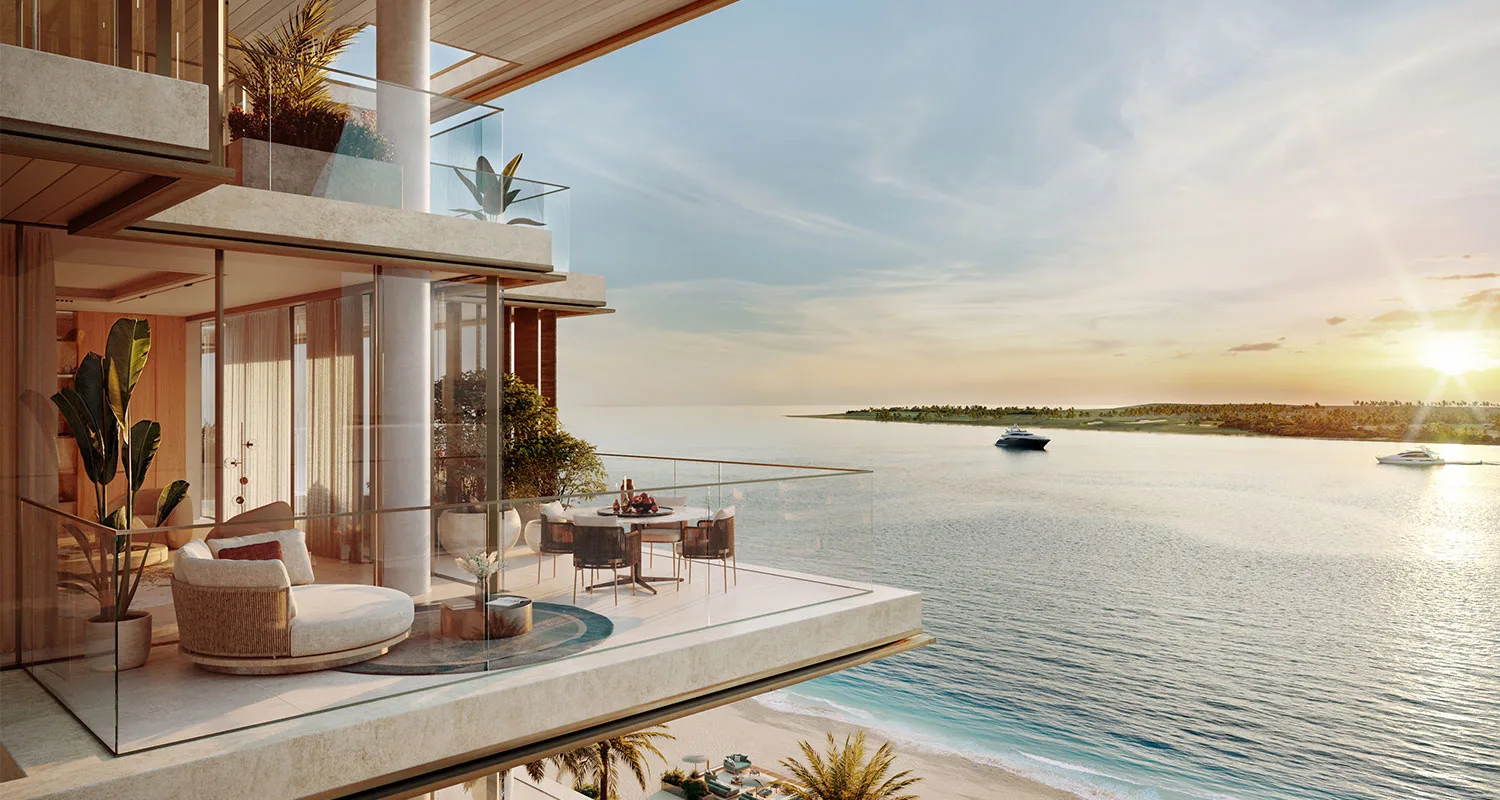
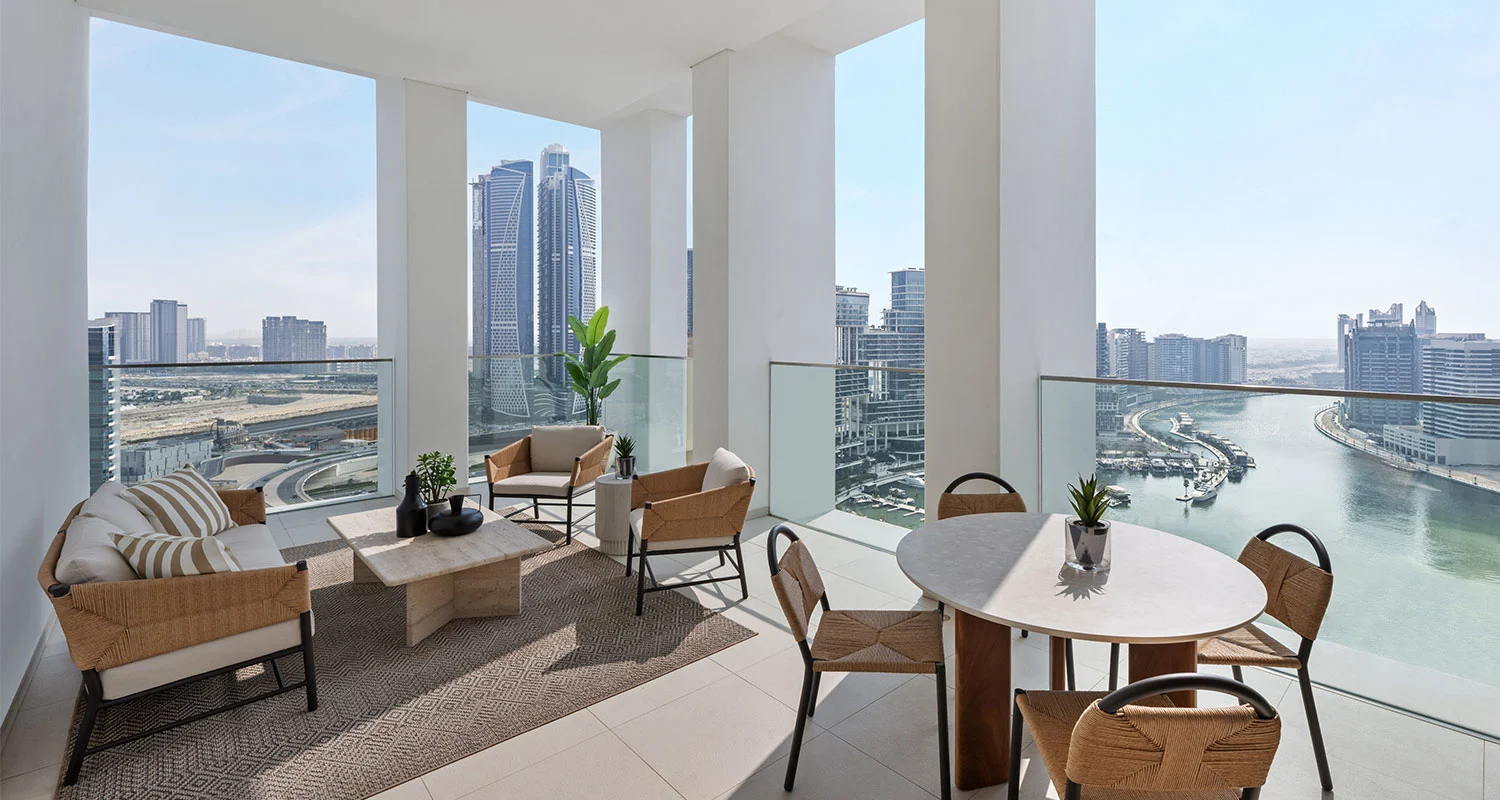
Another monumental project, Palm Jumeirah, reshaped the concept of coastal living. This man-made island, visible from space, features some of the world’s most luxurious hotels, villas, and resorts. Similarly, Dubai Marina offersœ an urban waterfront lifestyle unmatched in the region, combining high-rise apartments with retail, dining, and leisure options along scenic promenades.
More recently, Dubai Creek Harbour has emerged as the next big chapter in Dubai’s development story. This master-planned community by Emaar aims to balance innovation and sustainability, featuring the upcoming Dubai Creek Tower, which is expected to rival Burj Khalifa in height.
Modern real estate development in Dubai is increasingly shaped by sustainability and smart technology. The government’s Dubai 2040 Urban Master Plan emphasizes green spaces, efficient public transport, and energy-conscious architecture. Projects such as The Sustainable City and Expo City Dubai showcase the emirate’s commitment to reducing carbon emissions and promoting eco-friendly lifestyles.
Developers are integrating smart home technologies, renewable energy systems, and waste management solutions into new projects. These innovations not only reduce environmental impact but also enhance the quality of life for residents. The emphasis on sustainability aligns with Dubai’s vision to become one of the world’s most livable cities by 2040.
The real estate sector remains a cornerstone of Dubai’s economy, attracting investors from across the globe. Despite global economic fluctuations, real estate development in Dubai continues to thrive due to strong demand, transparent regulations, and attractive incentives. The absence of property taxes, long-term residency visas for investors, and flexible payment plans make Dubai one of the most appealing property markets in the world.
In recent years, there has been a growing demand for affordable and mid-range housing, reflecting a maturing market that caters not only to luxury buyers but also to professionals and families. The rise of co-living spaces, serviced apartments, and smart communities highlights how developers are adapting to new lifestyle trends and demographic shifts.
Looking ahead, the future of real estate development in Dubai is closely tied to innovation, sustainability, and diversification. Mega-projects such as Dubai South, surrounding the Al Maktoum International Airport, are expected to fuel the next wave of growth, particularly as the city positions itself as a global aviation and logistics hub.
Moreover, with the increasing integration of artificial intelligence, blockchain, and smart city technologies, Dubai is well on its way to becoming a digital metropolis. Real estate transactions are already being streamlined through blockchain platforms, improving transparency and efficiency for investors and developers alike.
The story of real estate development in Dubai is one of vision, ambition, and resilience. From desert sands to dazzling skyscrapers, Dubai has consistently pushed the boundaries of architecture and urban design. Today, it stands not just as a city of luxury and innovation but as a blueprint for sustainable urban development in the 21st century.
As the emirate continues to evolve, its real estate landscape will remain a magnet for global investors, architects, and visionaries seeking to be part of a city that dares to imagine the future—and build it.
.webp)